

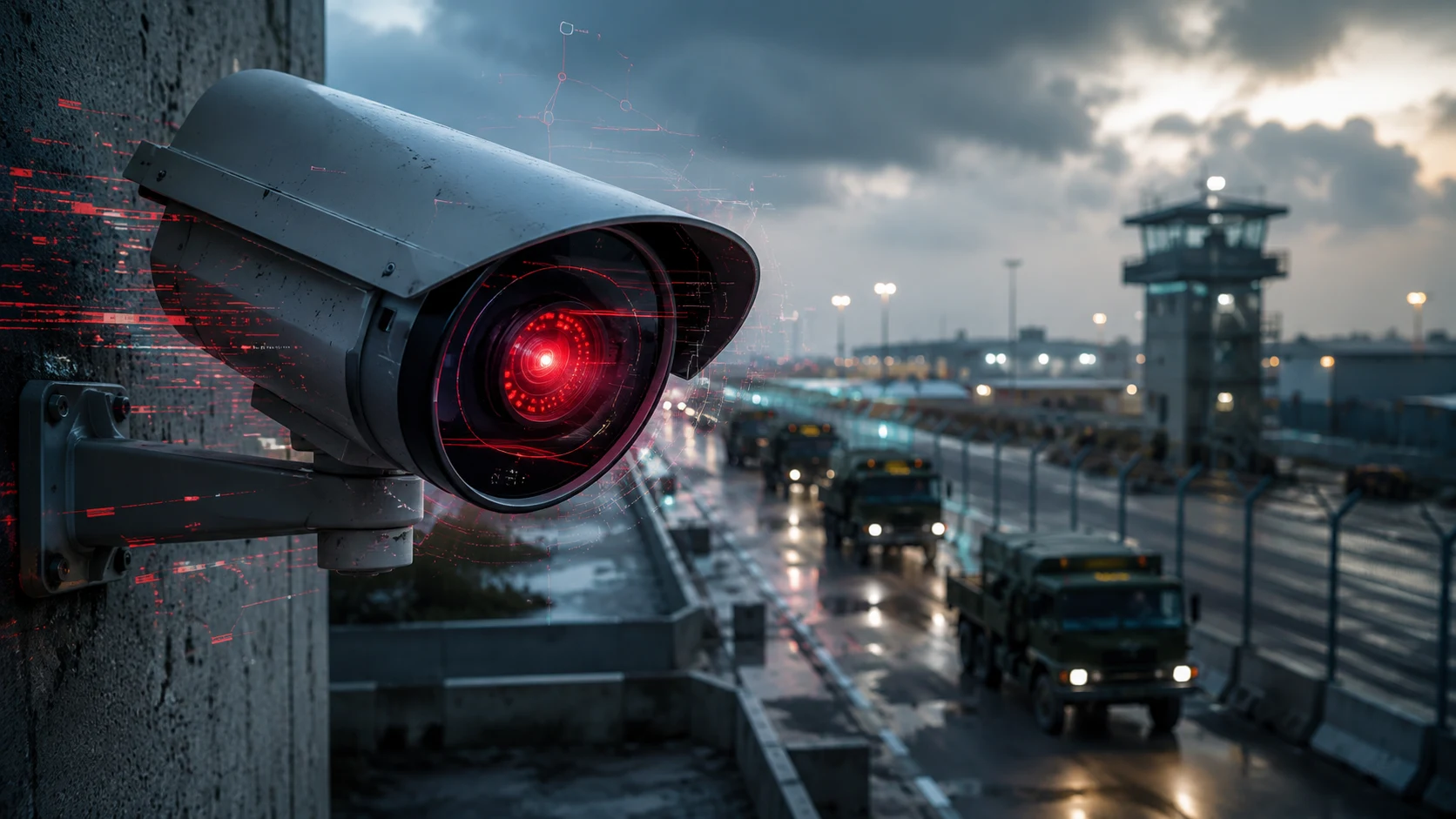
The story behind the NATO camera hacks sounds like something pulled from a spy thriller, but the uncomfortable part is how ordinary the tools were. Not a secret satellite, not a rare zero-day against a classified defense system, and not some cinematic breach involving blinking maps in a war room. The reported spying relied on internet-connected civilian cameras, the kind of devices people mount near homes, offices, warehouses, roads, ports, parking lots, and logistics hubs because they seem convenient and harmless. That is why this incident matters far beyond NATO, Ukraine, or military supply routes: it shows how smart device risks have moved from annoying privacy concern to real geopolitical exposure. In a world where almost every camera, router, doorbell, sensor, and smart appliance can become a data point, the weakest device on the edge of a network can become the sharpest tool in someone else’s intelligence operation.
For years, smart devices have been marketed as small upgrades that make life easier, safer, and more connected. A camera helps a shop owner check a loading dock after hours, a doorbell lets a homeowner see who is outside, and a connected sensor gives a facilities team a cheaper way to monitor equipment. The pitch is simple: plug it in, scan a code, connect it to Wi-Fi, and move on with your day. But the same simplicity that makes these devices easy to deploy often makes them easy to forget, misconfigure, or leave exposed long after the installation is done. The NATO camera hacks are a reminder that convenience becomes a liability when devices keep watching the world without anyone watching the devices.
Why the NATO Camera Hacks Hit a Nerve
The reason this case caught global attention is not only that NATO-related movements were allegedly observed through compromised cameras. It is that the cameras were not necessarily part of a military system in the classic sense. They were civilian internet-connected devices positioned close enough to sensitive routes, facilities, or logistics activity to become useful. That changes the security conversation because it expands the battlefield from official networks to the messy public-private spaces around them. A defense convoy can have strong operational security, but if a poorly secured camera across the street captures movement patterns, the security perimeter has already leaked into the neighborhood.
This is where cybersecurity and physical security now collide in a very practical way. The old model treated digital defense and real-world surveillance as separate disciplines, with one team worrying about firewalls and another worrying about gates, cameras, and guards. Smart devices broke that separation because the same object can be a physical sensor, a cloud-connected endpoint, a network node, and a potential intelligence source at the same time. When adversaries gain access to cameras, they do not just steal files; they may observe timing, routes, vehicle types, staffing patterns, delivery schedules, and other details that become valuable when combined. The hack is digital, but the intelligence can be deeply physical.
For organizations, this means the edge of the network is no longer just a technical phrase. The edge is the loading bay camera, the office lobby tablet, the smart badge reader, the conference room speaker, the warehouse sensor, and the forgotten router installed during a quick renovation. Every one of these devices can become a small window into a larger operation if it is exposed, outdated, or managed with weak credentials. Attackers do not always need to break the most secure system when the surrounding environment is filled with easier targets. The NATO camera hacks show how intelligence value can come from watching the outside of a secure operation rather than entering the inside of it.
The Bigger Problem With Smart Device Risks
The biggest problem with smart device risks is that many devices are treated like appliances when they are actually computers. A camera may look like a simple piece of hardware, but inside it runs firmware, network services, authentication logic, remote access features, cloud integrations, and sometimes third-party software components. That means it needs updates, monitoring, access control, inventory tracking, and a clear owner responsible for its security. Instead, many smart devices are installed once and ignored until they stop working. From an attacker’s point of view, that neglect is not a minor weakness; it is an invitation.
Default passwords remain one of the most embarrassing but persistent issues in the smart device ecosystem. Some devices ship with predictable credentials, some are installed with weak passwords, and some are exposed through remote access tools that nobody reviews after setup. Even when the password problem is solved, devices can still be vulnerable because of outdated firmware, insecure cloud dashboards, misconfigured ports, or poor segmentation from the rest of the network. The risk becomes worse when organizations do not know how many devices they own or where those devices are connected. You cannot patch what you cannot see, and you cannot defend what was never added to the inventory.
The consumer side of the problem also spills into national and enterprise security. A logistics corridor, government district, industrial zone, airport perimeter, or military-adjacent area may be surrounded by privately owned cameras and small business networks. Those devices may not be controlled by defense agencies, but they can still observe sensitive activity. That creates a shared-risk environment where one person’s cheap camera can accidentally become part of someone else’s intelligence collection chain. The modern security perimeter is no longer a fence line; it is a patchwork of nearby devices, owners, vendors, networks, and cloud services.
How Civilian Cameras Become Intelligence Tools
A compromised camera does not need to capture classified documents to be useful. It only needs to reveal patterns that can be analyzed over time. If a camera sees trucks moving at certain hours, convoys taking specific routes, security teams changing shifts, or equipment arriving at a facility, that information can help an adversary understand the rhythm of operations. With enough cameras, even low-quality footage can create a bigger picture of movement and timing. This is why the NATO camera hacks feel so serious: the threat is not only about one device being watched, but about many small observations turning into actionable intelligence.
Modern intelligence work is often about correlation, not just dramatic secret theft. A single camera feed may seem boring, but it becomes more meaningful when combined with traffic data, social media posts, public satellite imagery, shipping records, leaked databases, and other open or stolen information. Attackers can use ordinary digital breadcrumbs to build a timeline that reveals what is moving, where it is going, and when it is most exposed. Smart cameras add visual confirmation to that puzzle. They turn public-facing space into a searchable, replayable, and remotely accessible source of information.
This is also why the incident should worry companies outside the defense sector. A manufacturer, energy provider, hospital, bank, port operator, telecom company, or cloud facility may not think of its cameras as strategic assets. But cameras can expose shipments, executive visits, emergency responses, maintenance windows, customer traffic, cash handling, server deliveries, or physical vulnerabilities around a building. In some attacks, that kind of visibility can support burglary, sabotage, extortion, phishing, or insider recruitment. The same logic that applies to military logistics can apply to any organization whose physical activity has business value.
What This Means for Enterprise Security Teams
Enterprise security teams should treat the NATO camera hacks as a wake-up call for asset visibility. The first question is not whether a company owns cameras, because almost every organization does. The real question is whether anyone has a complete list of them, knows who manages them, understands how they connect to the network, and can confirm that firmware and credentials are under control. In many environments, camera systems are installed by facilities teams, contractors, landlords, branch managers, or local IT without centralized review. That creates gaps where security responsibility becomes blurry, and blurry responsibility is exactly where attackers like to operate.
A practical enterprise response starts with inventory and segmentation. Smart cameras, doorbells, access control panels, printers, sensors, and other internet-of-things devices should not sit freely on the same network as sensitive business systems. They should be isolated, monitored, and limited to the communication paths they actually need. Remote access should be reviewed carefully, especially when vendors or third-party installers maintain administrative privileges. The goal is not to make every device perfect, because that is unrealistic, but to make sure one weak camera cannot become a bridge into a bigger environment or a silent spy on sensitive activity.
Security teams also need to rethink how they evaluate physical placement. A camera facing a parking lot may seem low risk, but what if that parking lot reveals when executives arrive, when high-value shipments leave, or when security coverage is thin? A camera facing a road may look harmless, but what if that road is used by contractors servicing critical infrastructure? A camera in a lobby may help operations, but what if it captures visitor badges, whiteboards, packages, or employee routines? The risk of a camera is not only based on its technical vulnerability; it is also based on what it can see.
Why This Is a Cloud Security Issue Too
Many smart cameras depend on cloud services for remote viewing, storage, alerts, updates, and device management. That makes the issue relevant to cloud security as much as endpoint security. A device may be physically mounted in one country, managed through an app hosted somewhere else, and accessed by users or attackers from anywhere in the world. If the cloud account is weak, shared, reused across locations, or protected without multifactor authentication, the camera can be exposed even if the local network is not directly reachable. In other words, the attack path may run through the app rather than the camera itself.
This creates a governance challenge that many organizations still underestimate. Facilities teams may choose camera vendors based on price, image quality, storage limits, or ease of installation, while security teams may not review the vendor’s data handling or access model until much later. Procurement may approve a smart device without asking where footage is stored, how long it is retained, who can access it, and what happens when an employee leaves. Branch offices may create their own accounts with vendor portals, making centralized oversight harder. Over time, the organization ends up with scattered cloud-connected visibility systems that do not follow one security standard.
Good cloud governance for smart devices should include strict account ownership, multifactor authentication, role-based access, logging, vendor review, and clear offboarding. It should also include a policy for whether devices can be viewed remotely and under what conditions. Some organizations may decide that certain cameras should never be internet-accessible because their field of view is too sensitive. Others may allow remote access but require VPNs, conditional access, or approved management platforms. The key is to stop treating camera cloud dashboards like casual convenience apps and start treating them like access points into operational intelligence.
The Geopolitical Lesson: Cyber Is Now Ambient
The NATO camera hacks also reveal something bigger about modern conflict: cyber operations are becoming ambient. They do not always announce themselves with destructive malware, frozen screens, ransom notes, or public leaks. Sometimes they quietly live in the background, collecting visual data from devices that nobody considered important enough to harden. This kind of operation fits the gray zone between espionage, surveillance, sabotage preparation, and psychological pressure. It makes the digital environment feel less like a separate domain and more like a constant layer over everyday life.
That shift matters because states and criminal groups both understand the value of cheap, distributed access. A high-end intelligence operation can be expensive, risky, and politically sensitive, but compromising exposed smart devices can be cheaper and harder to detect. The attacker does not need to own the infrastructure when the world has already installed millions of sensors for them. Every connected camera creates a possible observation point, and every poorly secured one lowers the cost of surveillance. The result is a world where ordinary infrastructure can be repurposed for extraordinary intelligence goals.
This does not mean every smart device is dangerous by default, and it does not mean organizations should rip cameras off walls in panic. It means the risk model needs to mature. Smart devices are useful, but their usefulness is exactly why they need discipline. A camera that improves safety during normal operations can create exposure during a crisis if it is connected without proper controls. The lesson is not anti-technology; it is pro-responsibility, especially when civilian devices sit near strategic activity.
Practical Steps to Reduce Smart Device Risks
Organizations should begin with a full audit of all internet-connected cameras and related smart devices. That audit should include device model, firmware version, owner, location, network segment, cloud account, administrator list, remote access status, and field of view sensitivity. The process may feel boring, but boring controls are often what stop dramatic incidents. Security teams should prioritize devices facing logistics areas, executive access points, loading docks, public roads, critical infrastructure, data centers, storage rooms, and other areas where observation creates intelligence value. Once those devices are mapped, the organization can rank which ones need immediate attention and which ones can be handled through routine hardening.
- Change default passwords and remove shared administrator accounts.
- Enable multifactor authentication on camera portals and vendor dashboards.
- Place smart devices on isolated network segments with limited access.
- Disable public internet exposure unless there is a proven business need.
- Update firmware regularly and remove unsupported devices from service.
- Review camera angles to reduce unnecessary exposure of sensitive activity.
- Log remote access and investigate unusual viewing or login patterns.
- Build smart devices into procurement, vendor risk, and incident response policies.
For smaller organizations, the same principles still apply even without a large security team. Start by checking which cameras are accessible from outside the local network, who has the login, and whether the device still receives updates. Replace weak passwords with unique passphrases and avoid reusing the same account across multiple locations. Put cameras on a guest or separate network when possible, rather than the same network used for business laptops and payment systems. If a device is old, unsupported, or impossible to secure, replacing it may be cheaper than carrying the risk.
What Home Users Should Learn From This
Home users may hear about NATO-related camera hacking and assume the issue is too big to matter to them. That would be a mistake because the same device habits apply at home. A doorbell camera, baby monitor, garage camera, smart TV, or connected speaker can reveal routines, family schedules, visitors, property layout, and private conversations if poorly secured. Most attackers will not be intelligence agencies, but the privacy and safety risks are still real. The lesson for everyday users is simple: if a device can see, hear, unlock, record, or connect, it deserves better security than a forgotten default setting.
Consumers should buy smart devices from vendors that provide regular security updates and clear privacy controls. They should enable multifactor authentication, use unique passwords, update apps and firmware, and turn off features they do not use. They should also think about placement, because security is not only about preventing account takeover. A camera pointed at a street, a neighbor’s property, a child’s room, or a work-from-home desk can expose more than intended. Smart home convenience works best when users stay aware of what each device sees and where that data goes.
The Vendor Responsibility Nobody Can Ignore
Smart device vendors also have a major role to play, because users cannot fix everything through better habits alone. Devices should ship with secure defaults, forced unique passwords, easy update paths, transparent support timelines, and clear warnings when remote access is enabled. Vendors should make multifactor authentication standard for cloud dashboards and provide logs that users can actually understand. They should also stop hiding behind vague security language while selling products that may sit in sensitive environments for years. In the age of enterprise security and geopolitical cyber risk, a camera vendor is not just selling hardware; it is selling a potential trust boundary.
Regulators and industry groups are likely to keep pushing for stronger smart device rules because voluntary security has not been enough. Minimum standards for update support, vulnerability disclosure, default credentials, and product labeling could help buyers make better choices. Enterprises may also begin demanding stronger security terms from vendors before approving devices for large deployments. That shift would be healthy, because the cheapest camera is not really cheap if it creates an invisible surveillance risk. The market needs to reward devices that are secure by design, not just easy to install.
Why the Risk Will Keep Growing
The number of connected devices will keep expanding because the business case is strong. Cameras reduce staffing burdens, sensors improve maintenance, smart access systems streamline operations, and cloud dashboards make management easier across multiple locations. At the same time, geopolitical tension, cybercrime, and hybrid warfare are giving attackers more reasons to exploit those devices. That combination creates a widening gap between adoption and security maturity. Unless organizations close that gap, the next high-profile incident may involve not just cameras near military routes, but smart devices around ports, hospitals, campuses, energy sites, or financial hubs.
Artificial intelligence may make the problem even more intense. Attackers can use automation to scan for exposed devices, sort camera feeds, detect vehicle types, identify patterns, and prioritize targets faster than human teams could do manually. Defenders can also use AI for monitoring and anomaly detection, but only if they have visibility into the devices in the first place. The side that understands the environment better will have the advantage. That makes basic security hygiene more urgent, not less, because automation scales both good defense and bad surveillance.
Smart Device Security Is Now a Boardroom Issue
The Cybersecurity conversation around smart devices should no longer live only with technical teams. Executives need to understand that cameras and connected sensors can expose operations, customers, staff, physical sites, and strategic plans. Legal teams need to understand data retention and privacy implications. Procurement teams need to ask security questions before buying connected hardware. Facilities teams need to coordinate with IT instead of treating smart devices as standalone building tools.
Boards should also ask whether the organization has a smart device policy that reflects real-world risk. That policy should define who can approve devices, how they are inventoried, where they can be installed, how access is controlled, how updates are managed, and how incidents are handled. It should include a review of cameras near sensitive areas and a process for quickly disabling or isolating devices during elevated threat conditions. These are not extreme measures; they are normal governance steps for a world where cameras can become intelligence assets. The organizations that mature fastest will be the ones that treat connected devices as part of the security architecture, not decorative technology.
Conclusion: The Real Lesson of the NATO Camera Hacks
The real lesson of the NATO camera hacks is that modern security failures do not always begin inside the most obvious target. Sometimes they begin with a device mounted on a wall, connected to the internet, and forgotten after installation. A camera meant to protect property can become a window for someone else if it is poorly secured, poorly monitored, or placed where it can observe sensitive movement. That is the uncomfortable truth behind today’s smart device risks: the devices that make life more visible also make operations more visible to adversaries. Security now depends not only on defending servers and laptops, but on understanding every connected object that watches, listens, records, or reports from the edge.
For CyberVortixel readers, the takeaway is clear and practical. The smart device era is not going away, and neither are the attackers who want to exploit it. Organizations should inventory their devices, secure remote access, segment networks, control cloud dashboards, patch aggressively, and rethink what their cameras can see. Home users should also take the warning seriously, because the same weak settings that expose a military route can expose a family routine or small business operation. The NATO camera hacks may be a global security story, but the fix starts with a local question every connected world must answer: who is really watching the devices that watch everything else?