

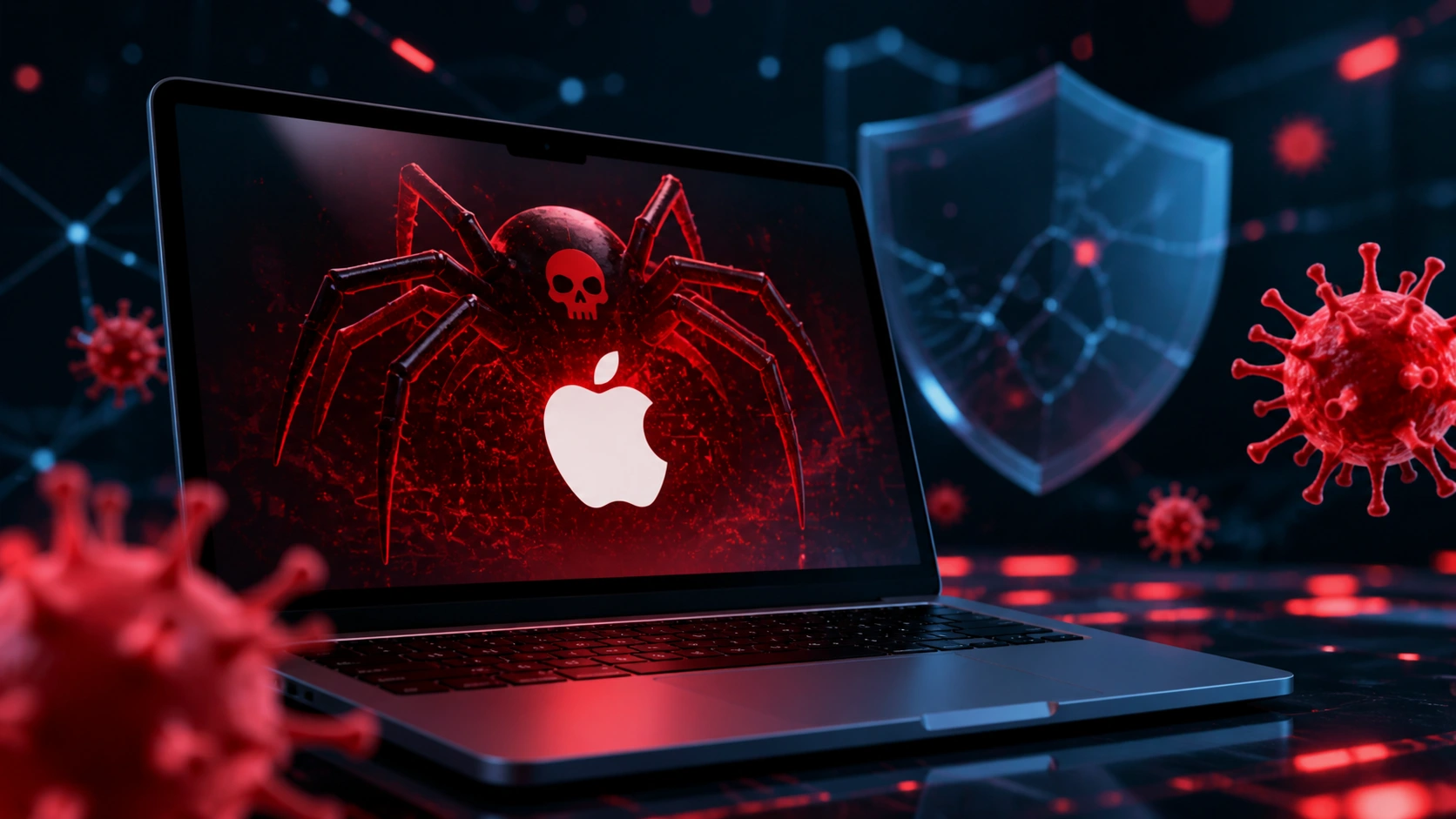
The New Reality: macOS Is No Longer Untouchable
For years, macOS users lived with a quiet confidence that their devices were safer than others. The narrative was simple: fewer users meant fewer attacks, and Apple’s closed ecosystem added an extra layer of protection. But in 2026, that perception is rapidly collapsing. macOS malware is no longer a rare occurrence or a niche threat; it has evolved into a serious cybersecurity concern that both individuals and businesses can no longer ignore.
Recent cybersecurity reports reveal a significant spike in malware targeting macOS systems. What was once a secondary target for cybercriminals is now becoming a primary battlefield. The reason is straightforward. As Apple continues to expand its market share globally, especially among professionals, developers, and startups, attackers are following the money. Where users go, threats follow.
The shift is not just about numbers. It is about sophistication. Modern malware targeting macOS is no longer basic adware or annoying pop-ups. Instead, it includes advanced infostealers, ransomware variants, and stealth-based spyware that can operate silently in the background. These threats are designed to bypass traditional security assumptions and exploit user behavior rather than system vulnerabilities alone.
Why Hackers Are Targeting macOS in 2026
The surge in macOS cybersecurity threats is not happening randomly. It is driven by clear strategic motivations from cybercriminals who are adapting faster than ever. One of the biggest factors is the growing adoption of macOS in corporate environments. Businesses that once relied heavily on Windows are now integrating Mac devices into their workflows, especially in creative industries and tech startups.
This shift creates a lucrative opportunity for attackers. Corporate macOS devices often store sensitive data, including login credentials, financial information, intellectual property, and internal communications. By targeting these systems, hackers can gain access to high-value assets with a single successful breach.
Another major reason is the rise of infostealer malware. These programs are designed to extract data such as saved passwords, browser cookies, cryptocurrency wallets, and authentication tokens. Once stolen, this data can be sold on dark web marketplaces or used for further attacks. macOS users, who often rely on convenience features like password autofill and cloud syncing, become prime targets for this type of exploitation.
Additionally, the increasing use of remote work setups has expanded the attack surface. Employees are accessing company systems from home networks, public Wi-Fi, and personal devices. This creates more entry points for attackers to exploit, especially when security practices are inconsistent.
The Rise of Infostealer Malware on macOS
One of the most alarming trends in 2026 is the rapid growth of infostealer malware targeting macOS. Unlike traditional malware that aims to disrupt systems, infostealers focus on silent data extraction. They are designed to remain undetected while continuously harvesting valuable information from the infected device.
These malware variants often infiltrate systems through deceptive methods. Fake software updates, pirated applications, and malicious downloads are among the most common entry points. Once installed, the malware can access browser data, capture keystrokes, and even bypass certain security layers.
What makes infostealers particularly dangerous is their scalability. A single campaign can infect thousands of devices globally, collecting massive amounts of data in a short period. This data is then aggregated and sold in bulk, fueling a growing underground economy centered around digital identities.
The impact goes beyond individual users. When corporate credentials are compromised, entire organizations can be exposed. Attackers can use stolen login information to access internal systems, launch phishing campaigns, or deploy ransomware attacks.
macOS Security Myths That Need to Die
Despite the growing threat landscape, many users still cling to outdated beliefs about macOS security. One of the most common myths is that macOS does not need antivirus software. While Apple’s built-in protections are robust, they are not foolproof. Cybercriminals are constantly finding new ways to bypass these defenses, especially through social engineering techniques.
Another misconception is that malware cannot run on macOS without explicit user permission. While it is true that Apple has implemented strict permission controls, attackers have become experts at tricking users into granting access. Fake prompts, misleading installation instructions, and disguised applications can all lead users to unknowingly compromise their own systems.
There is also a tendency to underestimate the importance of updates. Some users delay system updates due to compatibility concerns or inconvenience. However, these updates often include critical security patches that protect against newly discovered vulnerabilities. Ignoring them can leave systems exposed to known threats.
How Modern macOS Malware Operates
Understanding how macOS malware works is key to defending against it. Modern threats are designed to blend in with legitimate processes, making them difficult to detect. They often use techniques such as code obfuscation, encrypted communication, and persistence mechanisms to maintain access to the system.
One common method is the use of trojanized applications. These are legitimate-looking programs that contain hidden malicious code. Users download and install them, believing they are safe, only to unknowingly introduce malware into their system.
Another tactic involves exploiting browser vulnerabilities. Since browsers are the gateway to the internet, they are a prime target for attackers. Malicious extensions, compromised websites, and phishing links can all serve as entry points for malware.
Once inside, the malware establishes persistence. This means it ensures that it remains active even after system reboots. It may modify system settings, create hidden files, or integrate itself into startup processes. This persistence allows it to continue operating undetected for extended periods.
The Role of AI in Cyber Attacks
In 2026, AI-driven cyber attacks are becoming increasingly common. Attackers are leveraging artificial intelligence to automate and enhance their operations. This includes generating highly convincing phishing emails, analyzing user behavior, and optimizing malware deployment strategies.
For macOS users, this means that traditional warning signs are becoming less reliable. Phishing messages are no longer riddled with obvious errors. Instead, they are personalized, context-aware, and highly convincing. This increases the likelihood of users falling for scams and inadvertently installing malware.
AI is also being used to evade detection. Malware can adapt its behavior based on the environment, avoiding security tools and minimizing its footprint. This makes it more challenging for traditional antivirus solutions to identify and neutralize threats.
Business Impact: Why Companies Should Care
The rise of macOS cyber threats is not just a technical issue; it is a business risk. Data breaches can lead to financial losses, reputational damage, and legal consequences. For startups and small businesses, a single incident can be devastating.
Companies that rely on macOS devices need to rethink their security strategies. This includes implementing endpoint protection, enforcing strict access controls, and educating employees about cybersecurity best practices. Security is no longer optional; it is a fundamental part of business operations.
Moreover, regulatory requirements are becoming stricter. Organizations are expected to protect user data and report breaches promptly. Failure to comply can result in significant penalties and loss of customer trust.
How Users Can Protect Their macOS Devices
Protecting against macOS malware in 2026 requires a proactive approach. Users need to move beyond basic assumptions and adopt a more comprehensive security mindset. This starts with awareness. Understanding the risks and staying informed about the latest threats is essential.
Installing reputable security software is a crucial step. While macOS has built-in protections, additional layers of defense can help detect and prevent advanced threats. Regular system updates should also be a priority, as they address known vulnerabilities.
Users should be cautious when downloading software. Only trusted sources should be used, and pirated applications should be avoided entirely. Phishing awareness is equally important. Suspicious emails, links, and attachments should be treated with caution.
Strong password practices can also make a significant difference. Using unique passwords for different accounts and enabling multi-factor authentication can reduce the impact of credential theft. Even if one account is compromised, additional layers of security can prevent further damage.
The Future of macOS Cybersecurity
Looking ahead, the landscape of macOS cybersecurity will continue to evolve. As attackers become more sophisticated, defensive strategies must also adapt. This includes leveraging AI for threat detection, improving user education, and enhancing system-level protections.
Apple is likely to introduce new security features in response to emerging threats. However, technology alone is not enough. Users and organizations must take an active role in protecting their systems. Cybersecurity is a shared responsibility that requires constant vigilance.
The idea that macOS is inherently safe is no longer valid. In 2026, security is not about the platform; it is about the practices. Those who adapt will stay protected. Those who do not will become easy targets in an increasingly hostile digital environment.
Conclusion: A Wake-Up Call for macOS Users
The rise of macOS malware is a clear signal that the cybersecurity landscape has changed. What was once considered a low-risk platform is now a high-value target for cybercriminals. The threats are real, sophisticated, and growing at an alarming rate.
For users, this is a wake-up call. Relying on outdated assumptions is no longer an option. Security must become a priority, not an afterthought. By staying informed, adopting best practices, and leveraging the right tools, users can navigate this new reality with confidence.
In the end, cybersecurity is not about fear. It is about awareness and action. And in 2026, those two things matter more than ever.