

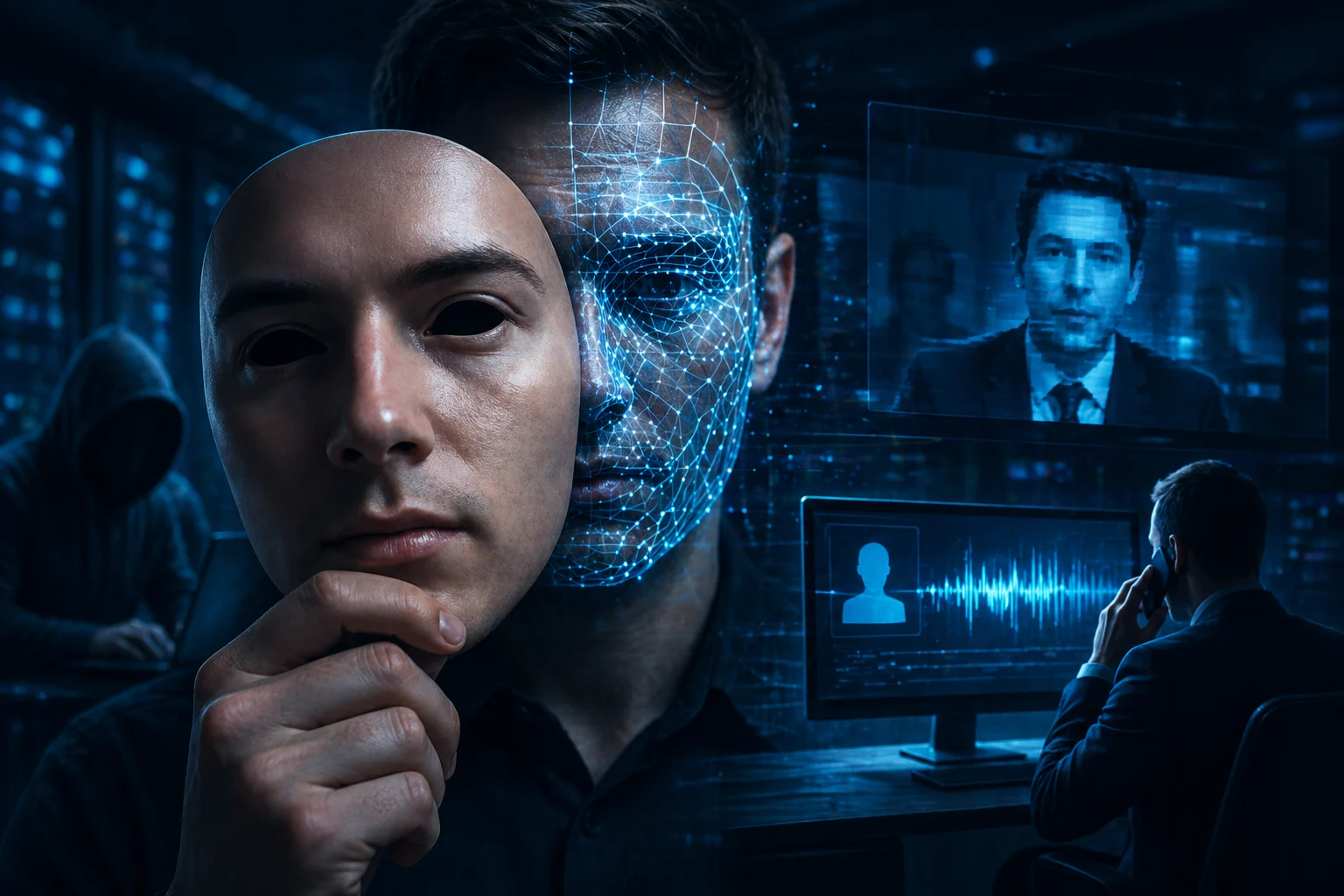
The digital threat landscape is evolving at breakneck speed, and one of the most dangerous developments in 2026 is the explosive rise of deepfake attacks. What once looked like a niche internet gimmick has transformed into a serious cybersecurity weapon targeting companies, financial institutions, executives, and everyday employees. Businesses across the world are now facing a new reality where fake voices, fake videos, and AI-generated identities can be used to steal money, manipulate staff, damage reputations, and breach sensitive systems.
The message is clear: deepfake threats are rising sharply, and businesses must stay alert. Organizations that still treat deepfakes as “future problems” are already behind. Cybercriminals are moving faster than many corporate security teams, using artificial intelligence tools to create convincing scams in minutes. That means companies need smarter defenses, faster education, and stronger verification systems right now.
This article explores why deepfake attacks are surging, how they work, why companies are vulnerable, and what businesses can do today to stay protected.
What Are Deepfakes and Why Are They Dangerous?
A deepfake is media created or manipulated using artificial intelligence to imitate a real person’s appearance, voice, or behavior. This can include:
- Fake videos of executives making statements
- AI-generated voice calls pretending to be CEOs
- Synthetic customer identities for fraud
- Manipulated interviews or news clips
- Fake employees appearing in video meetings
- Phishing content personalized with cloned voices
Years ago, deepfakes were easy to spot because they looked awkward or unrealistic. In 2026, that is no longer true. AI models have become faster, cheaper, and much more realistic. A scammer can now generate a believable voice clone with just a few seconds of recorded audio. Video synthesis tools can mimic facial expressions and speech patterns with alarming precision.
For businesses, the danger is not just technical. It is psychological. Deepfakes exploit trust. People naturally respond when they believe a message comes from their boss, client, colleague, or partner. That human instinct is exactly what attackers are using.
Why Deepfake Threats Are Exploding in 2026
There are several reasons why deepfake threats are surging this year.
1. AI Tools Are Easier to Access
Many generative AI tools now offer high-quality audio and video creation features. While legitimate users apply these tools for marketing, training, and content creation, criminals can misuse the same technology.
Barrier to entry is lower than ever. Attackers no longer need elite technical skills. With affordable software and cloud computing, they can launch sophisticated fraud campaigns quickly.
2. Remote Work Created New Attack Surfaces
Hybrid work environments rely heavily on:
- Video calls
- Messaging platforms
- Email approvals
- Cloud collaboration tools
That means employees often make decisions remotely without face-to-face verification. If someone receives a realistic voice message from a “CEO” requesting urgent payment, the risk of success is much higher than in a traditional office setting.
3. Public Data Makes Cloning Easier
Executives and public-facing professionals often appear in:
- Podcasts
- Webinars
- YouTube interviews
- Social media clips
- Earnings calls
These recordings provide enough material for voice cloning systems to mimic tone and style. The more public content available, the easier impersonation becomes.
4. Social Engineering Is Evolving
Traditional phishing emails used poor grammar and suspicious links. Modern scams are smarter. Deepfake attackers now combine AI-generated media with social engineering tactics, making scams feel urgent, personal, and credible.
How Businesses Are Being Targeted
Deepfake attacks are no longer hypothetical. Multiple sectors are already seeing real damage.
Executive Impersonation Fraud
A finance employee receives a call that sounds exactly like the CFO. The voice requests an urgent transfer for a confidential acquisition. Because the voice sounds authentic, the payment is approved.
This type of attack has already cost companies millions globally.
Fake Recruitment and Insider Access
Attackers use AI-generated identities to apply for remote jobs. Once hired, they gain internal system access, corporate devices, or confidential data.
Brand Reputation Attacks
A manipulated video appears online showing a company executive making offensive comments or announcing false financial trouble. Even if debunked later, reputational damage can spread instantly.
Customer Support Scams
Criminals imitate company representatives using cloned voices, tricking customers into sharing passwords or payment data.
Supply Chain Deception
Fake calls or videos from vendors and partners can be used to redirect invoices, alter deliveries, or steal procurement funds.
Which Industries Face the Highest Risk?
While every company is vulnerable, some sectors face elevated danger.
Finance and Banking
High transaction volumes and urgent approvals make finance a prime target.
Healthcare
Sensitive patient data and complex vendor networks create multiple attack points.
Retail and E-Commerce
Customer trust is everything. Deepfake scams impersonating brands can cause severe damage.
Technology Companies
Remote teams, global operations, and public-facing leaders increase exposure.
Government and Public Sector
False statements, manipulated announcements, and identity fraud can create chaos quickly.
Why Human Psychology Is the Weak Spot
Cybersecurity often focuses on firewalls, antivirus tools, and network monitoring. Those are important, but deepfakes attack something different: human judgment.
People are trained to trust:
- Familiar voices
- Recognizable faces
- Urgent executive requests
- Internal authority figures
- Emotional pressure situations
When an employee hears a manager’s voice saying, “Handle this immediately,” hesitation drops. Attackers know this. That is why awareness training must now evolve beyond suspicious emails.
How to Protect Your Business From Deepfake Threats
The good news is businesses are not powerless. Smart preparation can dramatically reduce risk.
1. Create Verification Protocols
Never approve sensitive requests based only on voice, video, or chat. Require secondary confirmation through another channel.
Examples:
- Payment approvals need dual authorization
- Executive requests require callback verification
- Account changes require secure portal confirmation
2. Train Employees on Deepfake Awareness
Staff should know that voices and videos can be faked. Training should include:
- Realistic scam examples
- Pressure tactics used by attackers
- Red flags in urgent requests
- Verification habits
Security culture matters more than one-time seminars.
3. Limit Public Exposure of Sensitive Voices
Executives should be aware that public recordings can be used for cloning. This does not mean disappearing from media, but strategic awareness helps.
4. Use AI Detection Tools
New cybersecurity platforms can analyze anomalies in voice, video, and behavioral patterns. Detection is not perfect, but layered defenses are valuable.
5. Strengthen Identity Management
Use:
- Multi-factor authentication
- Role-based access control
- Device verification
- Behavioral login monitoring
Even if someone is socially engineered, stronger identity controls can stop escalation.
6. Build an Incident Response Plan
If a deepfake incident happens, speed matters. Teams need a playbook covering:
- Internal alerts
- Payment freezes
- Communication strategy
- Legal review
- Public response
- Digital forensics
The Role of Leadership in Cyber Readiness
Many organizations still treat cybersecurity as an IT department issue. That mindset is outdated. Deepfake threats are business risks, not just technical risks.
Leadership teams should ask:
- How are executive identities protected?
- Can employees verify urgent requests safely?
- What is our media manipulation response plan?
- Are finance workflows resistant to impersonation scams?
- Have we tested social engineering resilience?
Boards and CEOs who ignore these questions may face bigger costs later.
Why Small Businesses Should Not Feel Safe
Some smaller firms assume attackers only target giant corporations. That is false.
Small and mid-sized businesses often have:
- Fewer security resources
- Less formal approval workflows
- Limited staff training
- Higher trust-based cultures
That can make them easier targets. In many cases, criminals prefer easier victims over famous ones.
How Gen Z Employees Are Changing the Security Culture
A younger workforce can actually help organizations adapt. Gen Z professionals are generally more aware of digital manipulation, online scams, and AI trends. They grew up in internet-first environments where skepticism is common.
Businesses should use that strength by involving younger staff in:
- Awareness campaigns
- Internal testing programs
- Security communication design
- Scam simulation feedback
Modern cybersecurity culture should be collaborative, not top-down only.
The Future of Deepfake Crime
Expect the next wave of threats to include:
- Real-time video impersonation during meetings
- AI chatbots pretending to be executives
- Hyper-personalized fraud based on leaked data
- Fake multilingual customer service scams
- Election and geopolitical spillover affecting brands
As generative AI improves, authenticity will become harder to judge visually or audibly. Verification systems will matter more than instinct.
What Smart Companies Are Doing Right Now
Forward-looking organizations are already taking action:
- Updating payment approval rules
- Running fake-scam drills internally
- Securing executive digital footprints
- Investing in identity tools
- Creating crisis communication templates
- Training staff quarterly instead of yearly
These moves are not overreactions. They are basic survival steps in a changing environment.
Deepfake vs Traditional Phishing
Traditional phishing relied on weak messages and mass volume. Deepfake fraud is different.
| Threat Type | Old Phishing | Deepfake Attacks |
|---|---|---|
| Personalization | Low | High |
| Realism | Low | Very High |
| Emotional Pressure | Medium | High |
| Detection Difficulty | Moderate | High |
| Target Value | Broad | Often Specific |
This is why many legacy awareness programs are no longer enough.
Final Thoughts
The rise of deepfake threats marks a turning point in digital security. Businesses can no longer assume that seeing is believing or hearing is trusting. In 2026, AI-generated deception has become scalable, fast, and dangerously convincing.
Organizations that adapt early will reduce fraud risk, protect employees, and preserve trust. Those that delay may learn the hard way that modern scams no longer arrive with obvious warning signs.
The smartest move now is simple: verify everything important, train everyone consistently, and treat deepfake readiness as a core business priority.
Because in the AI era, trust without verification is expensive.